
A Complete Guide to Commercial, Industrial & Municipal Cleaning Equipment
When people search for “cleaning machines,” they often find themselves buried in a mix of scrubbers, sweepers, vacuums, and outdoor equipment. In the commercial and industrial cleaning world, however, each type of machine has a very specific name and purpose.
This guide breaks down the terminology so you know exactly what you’re looking for.
Floor Scrubbers
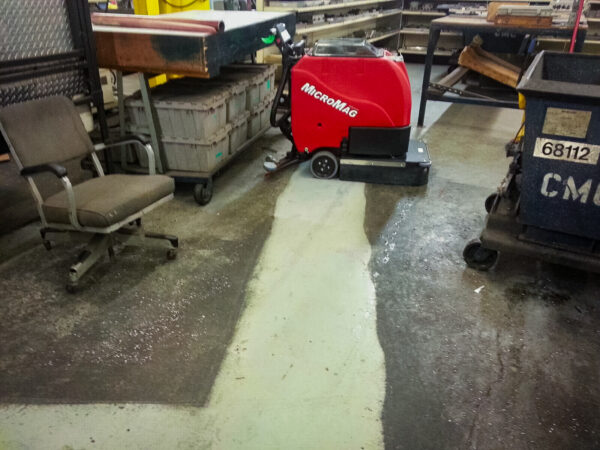
Floor scrubbers are cleaning equipment designed to deep-clean hard surfaces using a three-step process:
-

Dispense cleaning solution onto the floor -

Scrub with rotating brushes or pads to break down dirt, grease, and grime -

Vacuum and recover the dirty water in one seamless pass
This method leaves floors clean, dry, and safe within minutes, making scrubbers ideal for environments with heavy soil, spills, grease buildup, or constant foot and equipment traffic.
Floor scrubbers are used in:
- Warehouses and distribution centers
- Manufacturing plants
- Retail stores and grocery chains
- Schools and universities
- Healthcare facilities
- Hospitality and event centers
Types of Floor Scrubbers
Walk-Behind Floor Scrubbers
Compact, maneuverable cleaning equipment built for small to medium-sized spaces.
- Operator walks behind the machine
- Easy to transport and store
- Ideal for hallways, retail aisles, classrooms, and smaller facilities
- Can use cleaning chemicals or water-only systems depending on the model
These scrubbers offer excellent visibility, control, and precision in tight areas.
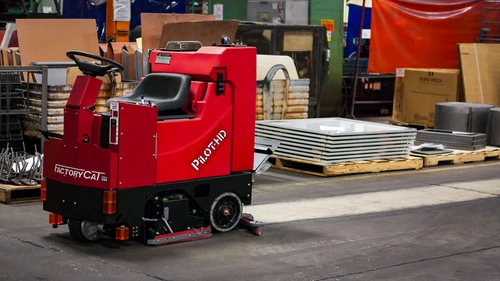
Ride-On Floor Scrubbers
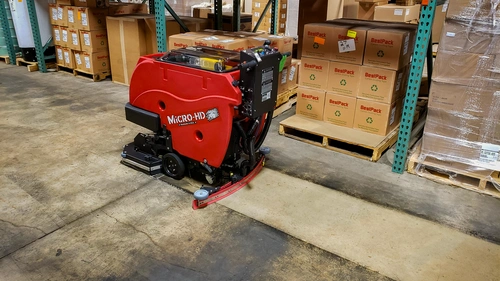
Larger scrubbers designed for mid-sized to very large facilities.
- Operator sits and drives the machine
- Wide cleaning paths for maximum productivity
- Designed for warehouses, large production floors, and commercial spaces
- Significantly reduces labor time on large jobs
Ride-on models maximize efficiency by cleaning large areas in a short amount of time.
Floor Sweepers
Floor sweepers are cleaning equipment designed to pick up dust, dirt, leaves, pallet chips, packaging scraps, sand, litter, and other debris. Unlike floor scrubbers, floor sweepers do not use water — they rely on powerful broom systems and vacuum-assisted filtration.
Sweepers prevent dust from becoming airborne and protect workers, equipment, and indoor air quality, especially in industrial environments.
Floor sweepers are commonly used in:
- Warehouses and logistics centers
- Manufacturing plants
- Parking lots and garages
- Retail backrooms and stock areas
- Industrial facilities with constant debris buildup
How Floor Sweepers Work
Most sweepers use a combination of:
- Side brooms to pull debris inward
- Main broom to lift debris into the hopper
- Vacuum or dust-control system to prevent dust clouds
This allows sweepers to collect both fine dust and larger debris efficiently.
Types of Floor Sweepers
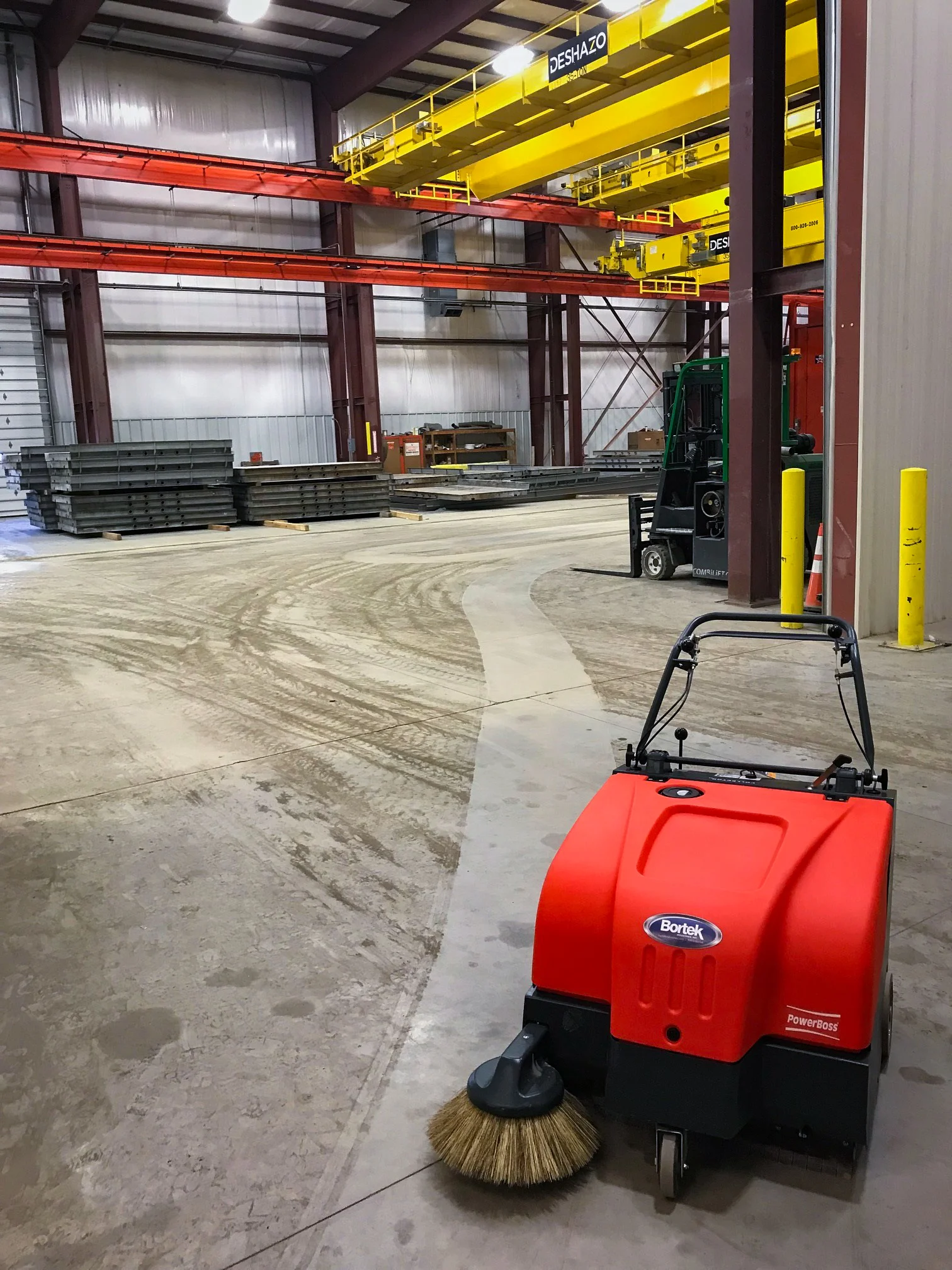
Walk-Behind Floor Sweepers
Lightweight, easy-to-use sweepers for smaller areas.
- Operator walks behind the machine
- Great for tight aisles and narrow pathways
- Ideal for small industrial spaces, shops, and entryways
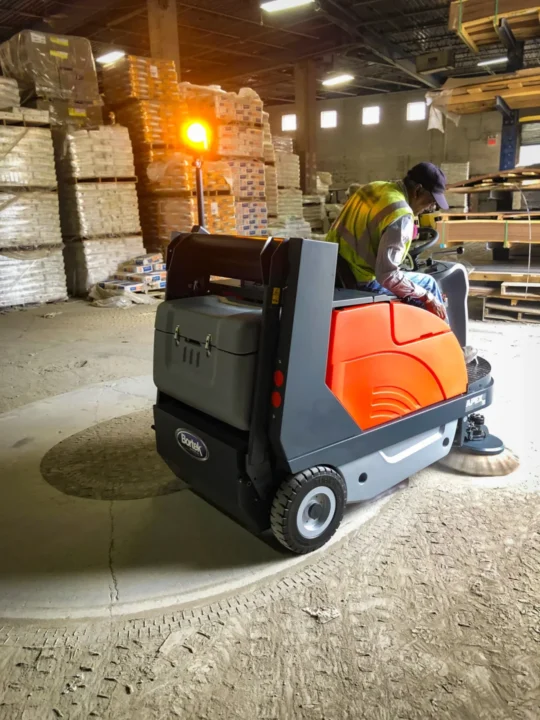
Ride-On Floor Sweepers
Larger sweepers designed for industrial and commercial environments.
- Operator sits and drives the machine
- Higher capacity debris hoppers
- Wide cleaning paths for high-productivity sweeping
These are commonly used in manufacturing facilities, distribution hubs, and large commercial properties.
Scrubber-Sweepers
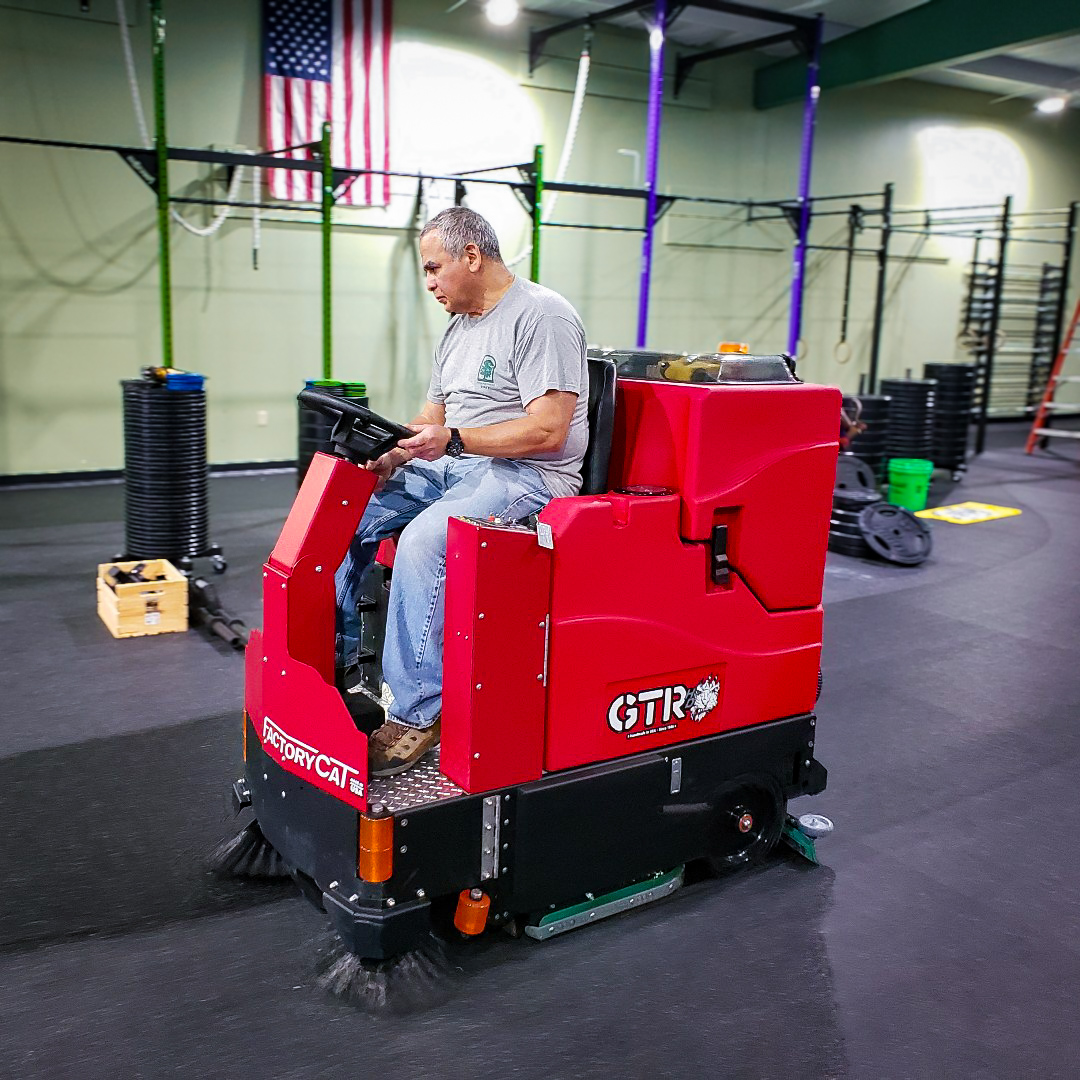
Scrubber-sweepers combine both sweeping and scrubbing functions into one powerful, efficient machine.
They are cleaning equipment ideal for facilities that need to remove dust, debris, grease, and embedded soils in a single pass. Scrubber-sweepers are great for warehouses, manufacturing plants, logistics hubs, distribution centers, parking garages, and large commercial or industrial facilities.
How Scrubber-Sweepers Work
These machines are engineered to handle heavy-duty cleaning by integrating sweeping brushes with scrubbing components and high-performance water recovery systems. This dual-process approach improves productivity by eliminating the need for multiple machines or repeated cleaning passes.
Remove loose debris using a high-capacity sweeping system
Scrub the floor surface with aggressive brushes and cleaning solution
Recover and vacuum dirty water instantly for a clean, dry surface
Industries Using Scrubber-Sweepers
- Logistics & Distribution Centers
- Warehouses & Industrial Production Facilities
- Government & Municipal Operations
- Transportation Hubs
- Parking Garages & Large Commercial Complexes
Street Sweepers
Municipal Street sweepers are large cleaning equipment engineered to clean roads, curbs, parking lots, runways, and outdoor paved surfaces. They are built to remove heavy debris such as sand, leaves, trash, gravel, and fine particulate that ordinary sweepers cannot handle.
Street sweepers are essential for:
- Municipalities and public works departments
- Contractors who clean streets, parking lots, and shopping centers
- DOT roadway maintenance operations
- Airports and large outdoor facilities
How Street Sweepers Work
Depending on the model and technology, street sweepers may use:
- Mechanical broom systems — sweeping debris onto a conveyor
- Vacuum systems — powerful suction to collect debris
- Regenerative air systems — recirculating high-pressure air for maximum dust control
These systems allow street sweepers to handle heavy, wet, or compacted debris while keeping fine dust under control.
Types of Street Sweepers
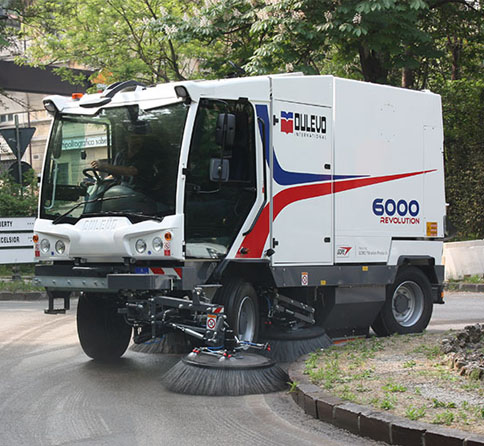
Mechanical Street Sweepers
Built for heavy, bulky debris.
- Ideal for construction areas, roadways, and industrial sites
- Strong main broom and conveyor system
- Durable, low-maintenance designs
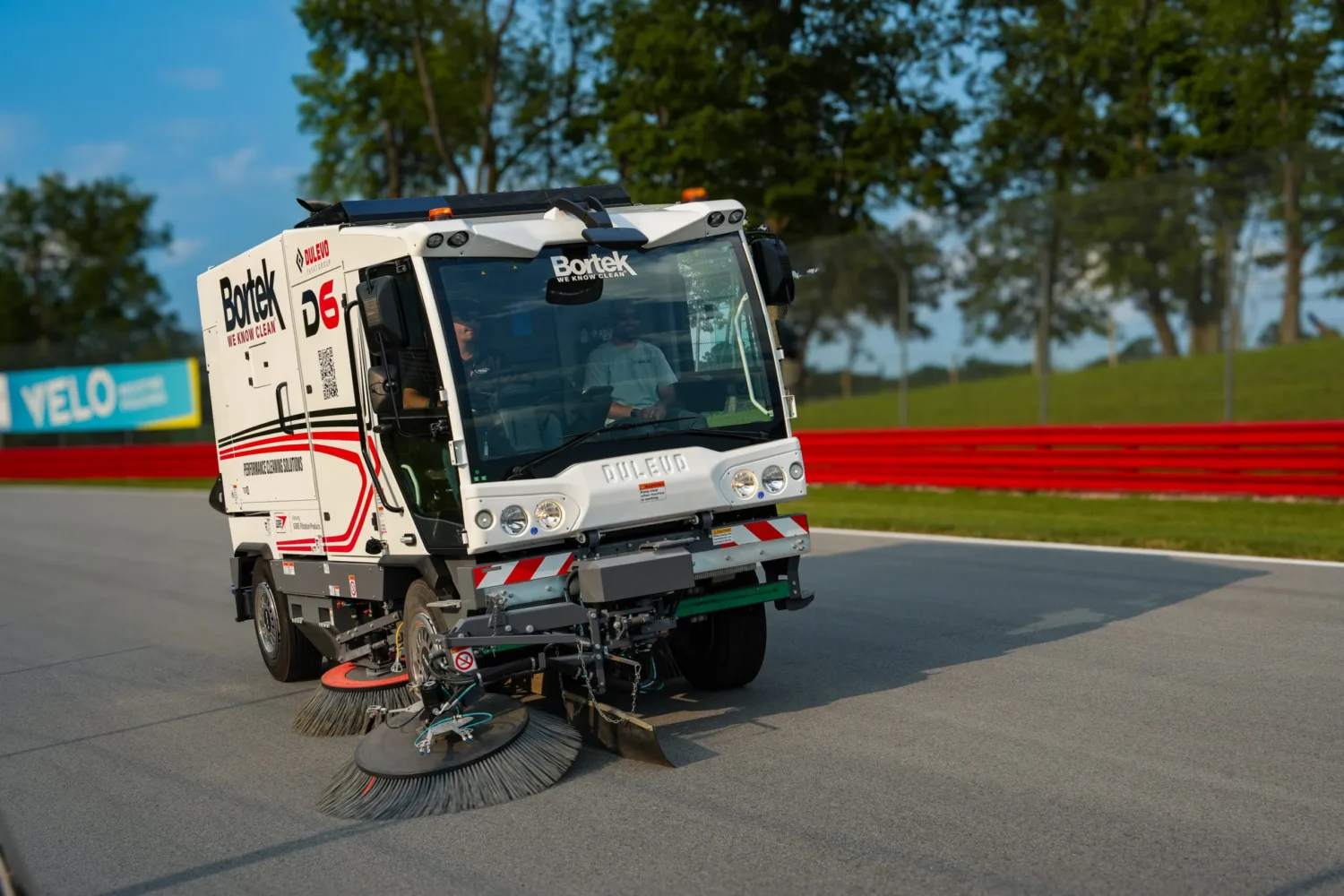
Vacuum Street Sweepers
Designed for fine dust and lightweight debris.
- Uses strong suction to collect particulate
- Great for city streets and environmental compliance
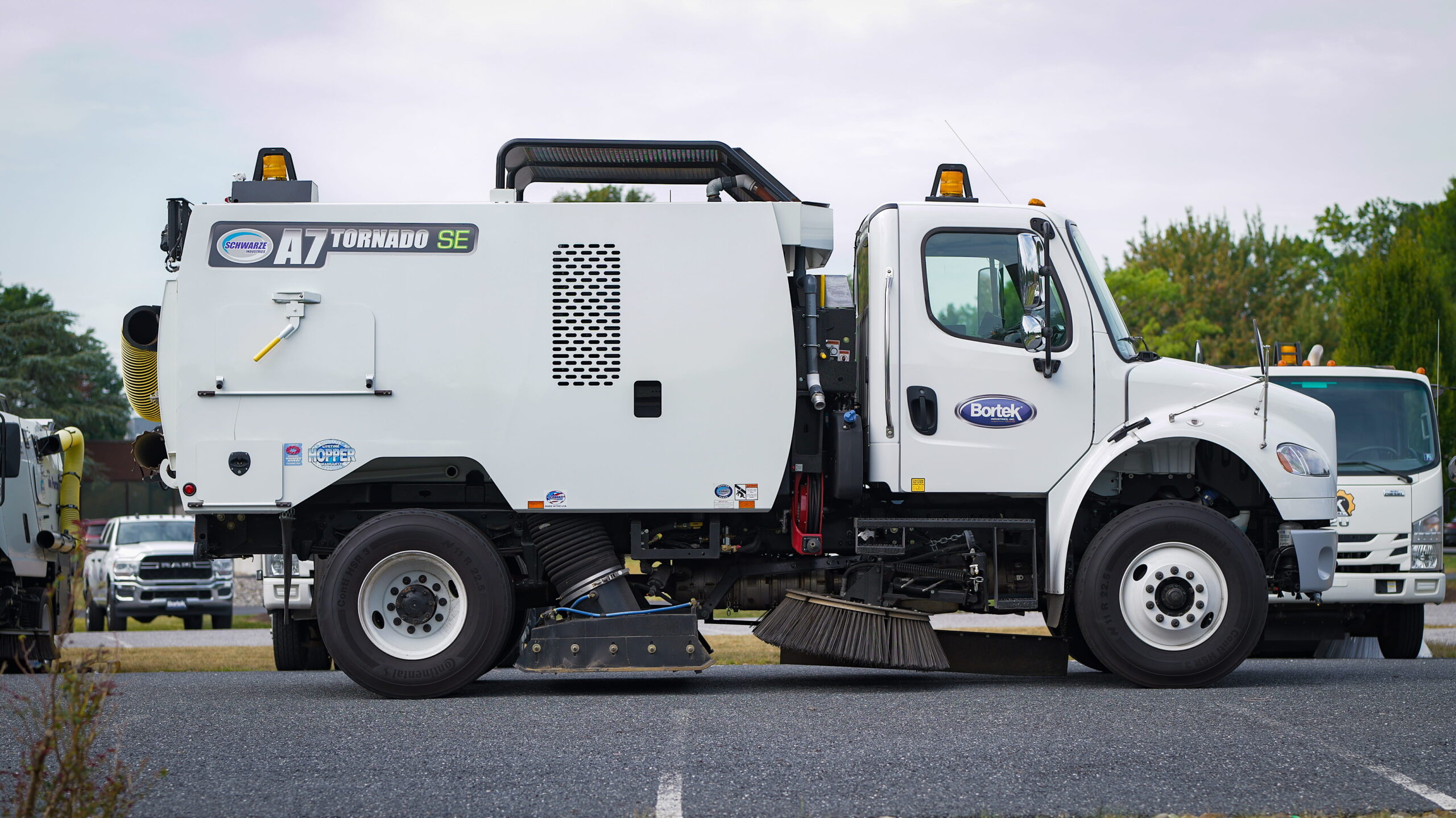
Regenerative Air Street Sweepers
Hybrid technology used for maximum dust control.
- Blasts air to dislodge debris
- Recycles air to vacuum material into the hopper
- Ideal for municipalities prioritizing air quality compliance
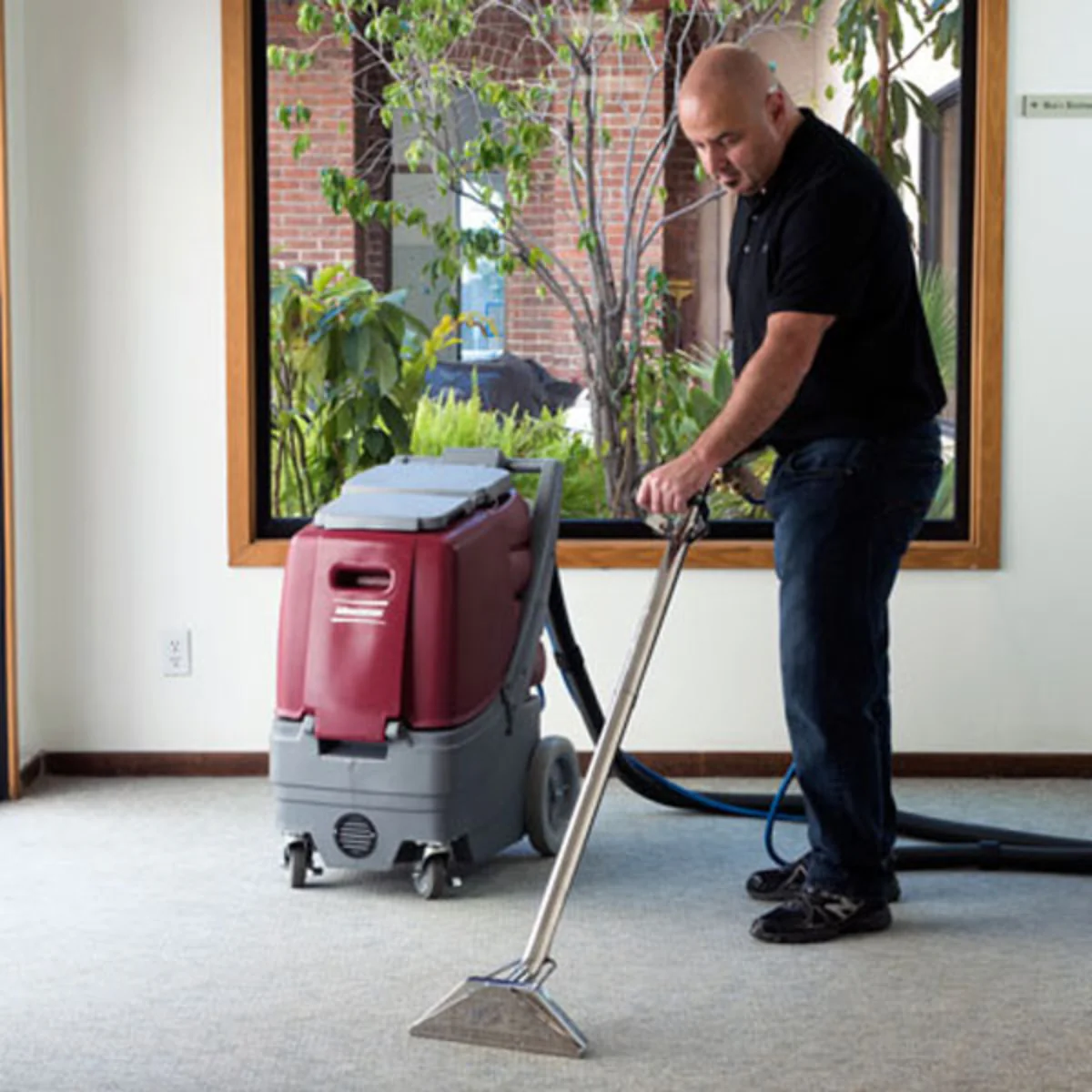
Carpet Extractors
Carpet extractors are built for soft flooring. They spray cleaning solution deep into carpet fibers, agitate the surface, and then extract the dirty water.
These machines are ideal for:
- Hospitality
- Office buildings
- Schools
- Multi-purpose facilities
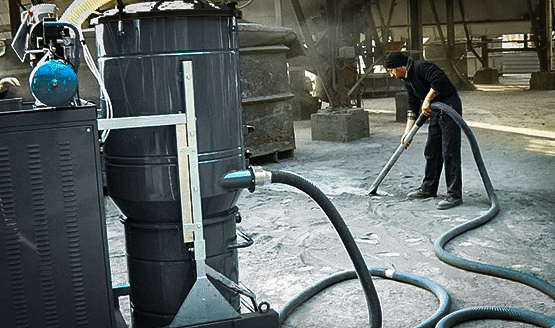
Industrial Vacuum Systems
Industrial vacuums are engineered for heavy-duty cleaning jobs, including dust, debris, liquid recovery, and fine particulate control.
Common uses include:
- Manufacturing lines
- Maintenance shops
- Janitorial operations
- Commercial cleaning crews
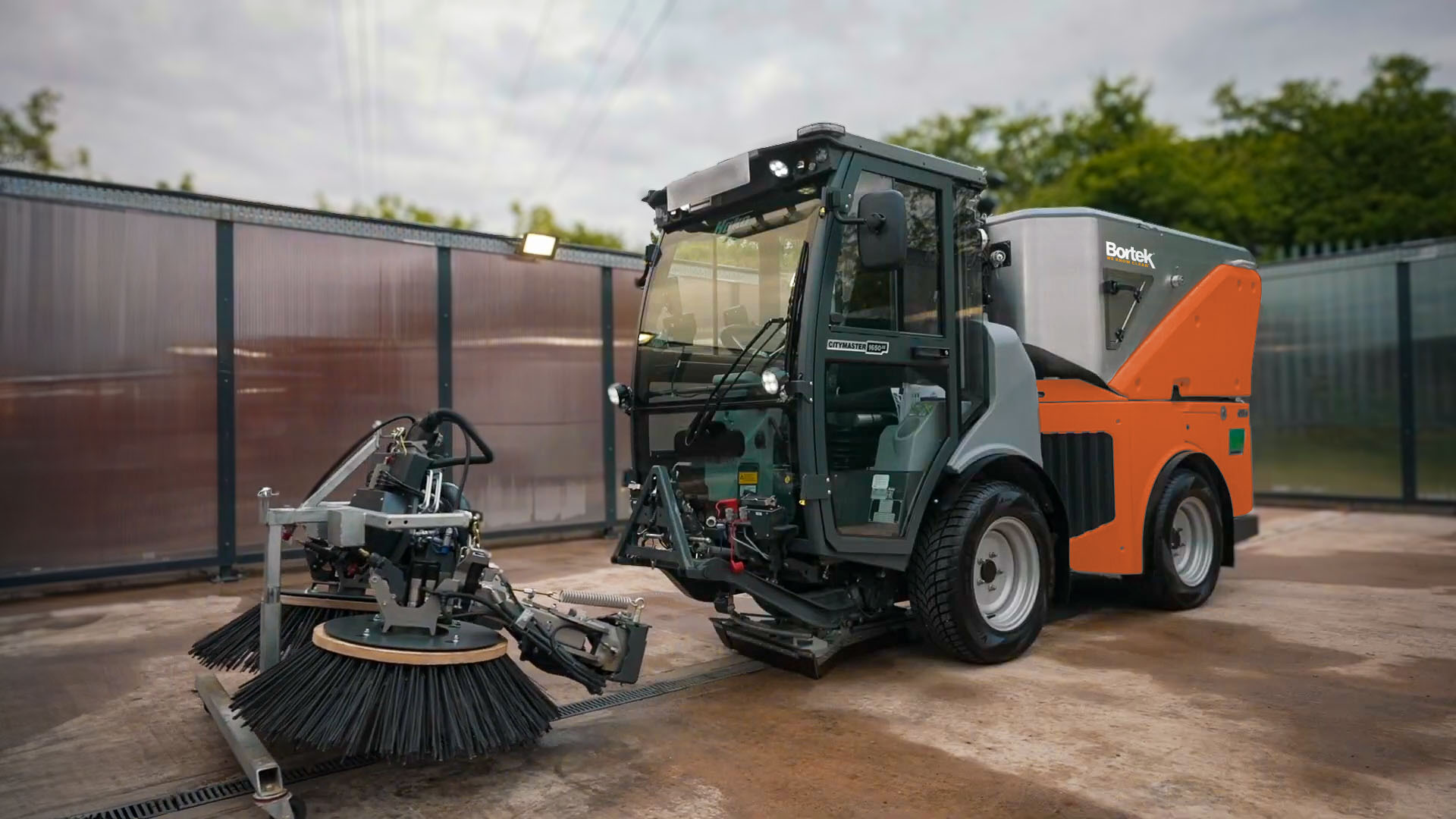
Multi-Use Outdoor Cleaning Machines
Multi-Use Outdoor Cleaning Machines are able to sweep, mow, plow, and more thanks to the use of removable attachments. For sidewalks, parking lots, pathways, and campuses, this versatile municipal equipment can handle:
- Sweeping
- Leaf and debris removal
- Light snow control
- Surface maintenance
- Parking lot cleanup
These machines are designed to be durable, efficient, and easy to operate across a wide variety of surfaces.
Why Knowing the Correct Terminology Matters
Understanding the specific names of cleaning machines helps in several key areas:
- SEO & Online Searches — Searching “cleaning machine” won’t get you the right results, but searching “floor scrubber” or “street sweeper” will. Using the right terms ensures you find the equipment and support you need.
- Ordering Equipment or Parts — Technicians and parts specialists rely on exact names to provide accurate quotes, service, and components.
- Maintenance & Training — Knowing the category helps with training staff properly and maintaining equipment efficiently.
- Budgeting & Long-Term Planning — Selecting the correct machine ensures better cleaning results and longer equipment life, both of which reduce overall operational costs.
Final Takeaway
“Cleaning machines” is a broad term — but in reality, the equipment used across industries falls into specific categories like floor scrubbers, sweepers, extractors, vacuums, and municipal machines.
Bortek provides a full range of indoor and outdoor cleaning equipment designed for professional, commercial, and industrial environments. Whether you’re maintaining a facility, managing a fleet, or outfitting a cleaning team, understanding these machine types ensures you choose the right solution.